
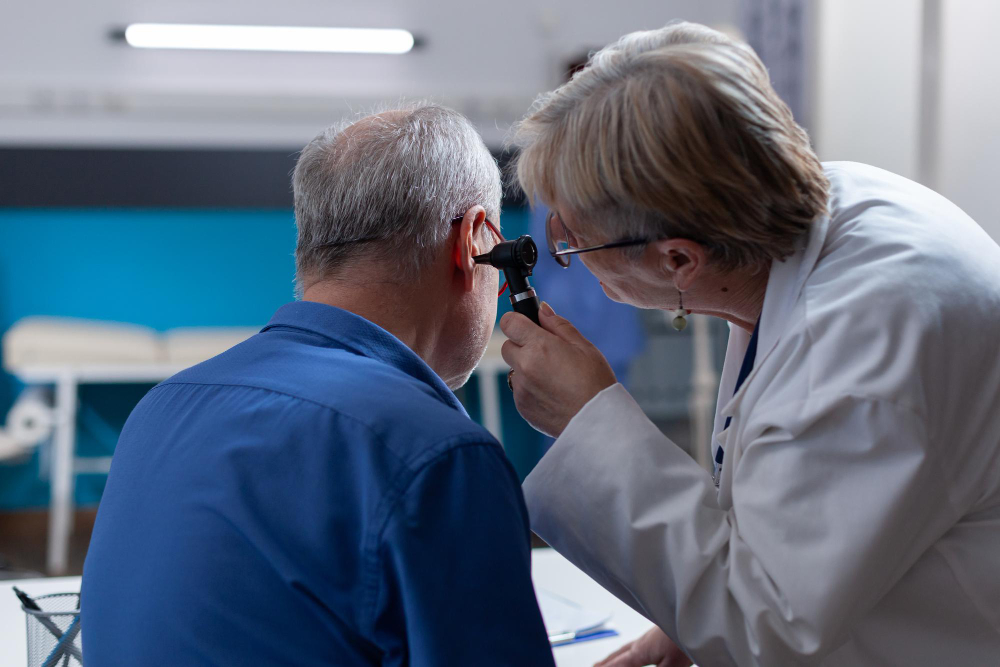
What is Tympanoplasty?
Tympanoplasty is a surgery to fix a hole or tear in the eardrum. The eardrum is a thin layer inside your ear that helps you hear. When it gets damaged, you may lose some hearing or get ear infections. Tympanoplasty helps repair the eardrum and can restore hearing. Many people call it eardrum repair surgery. This surgery is often done by an ear, nose, and throat (ENT) doctor.
Symptoms and Causes of Eardrum Damage
Sometimes, you may not know your eardrum is damaged. However, there are signs to watch for. For example, you may notice:
There are many causes of eardrum damage. For instance, it can happen due to:
When is Tympanoplasty Needed?
Not all eardrum injuries need surgery. Sometimes, the eardrum heals on its own. However, tympanoplasty may be needed if:
In many cases, your ENT doctor will check your ear and suggest the best treatment. If you live in a city with ENT specialists, like tympanoplasty in New York or Mumbai, you can find help nearby.
How is Tympanoplasty Performed?
Tympanoplasty is usually done in a hospital or clinic. The doctor may use local or general anesthesia, so you do not feel pain. The main goal is to close the hole in the eardrum and improve hearing. There are different types of tympanoplasty, depending on your needs:
During surgery, the doctor may use tissue from your own body to patch the eardrum. Sometimes, a small cut is made behind the ear to reach the eardrum. The surgery usually takes one to two hours.
Recovery and Aftercare
After tympanoplasty, you may go home the same day. However, some people stay overnight. Recovery is usually quick, but you should follow your doctor’s advice. Here are some tympanoplasty recovery tips:
Most people notice better hearing within a few weeks. Still, full healing may take up to two months.
Risks and Potential Complications
Like any surgery, tympanoplasty has some risks. However, serious problems are rare. Possible risks include:
Your doctor will discuss these risks before surgery. According to the World Health Organization (WHO), most people recover well after tympanoplasty.
Tips for Prevention and Ear Health
Although some ear problems cannot be avoided, you can protect your ears by following these tips:
With good ear care, you can lower your risk of needing eardrum repair surgery.
Frequently Asked Questions
If you have more questions, talk to your ENT doctor. They can give advice based on your needs.
Consult an ENT specialist for personalized advice about tympanoplasty and hearing restoration.